I’ve been around motorcycles for a long time, long enough to see the same ideas come around again and again, sometimes improved, sometimes forgotten, and sometimes buried under marketing until they no longer resemble what riders actually asked for. The adventure bike is one of those ideas.
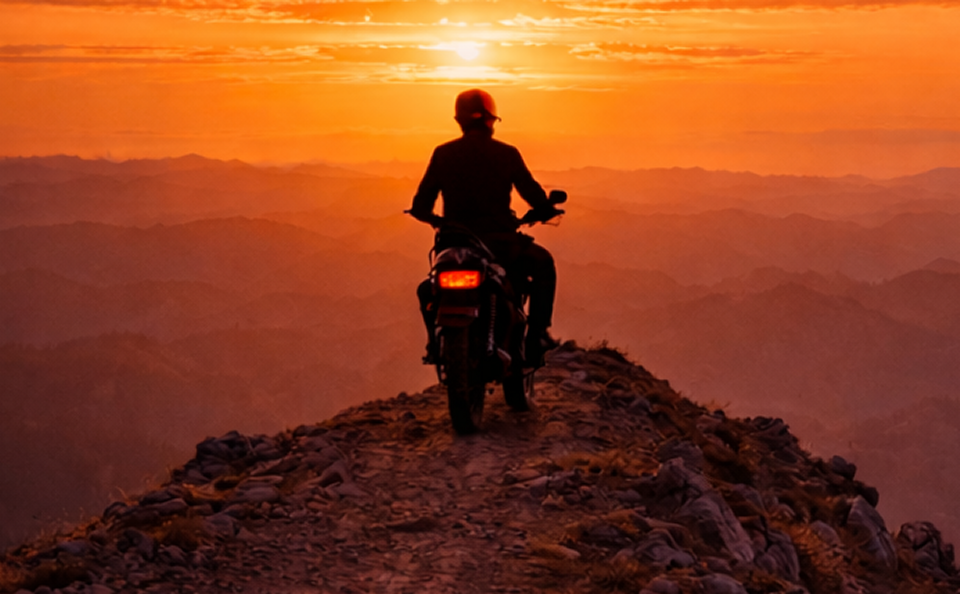
For more than forty years now, manufacturers have been trying to define what an adventure bike should be. Bigger engines. Taller suspensions. More electronics. More accessories. More horsepower than anyone can reasonably use once the pavement ends. And yet, I keep hearing the same thing from riders after long days in the saddle:
“I thought this bike would be easier to live with.”
That’s what led me to write The Best Adventure Bike: How to Own the Best Adventure Bike Now.
This is not a book about the latest models, spec sheets, or brand comparisons. It’s not about telling anyone what they should buy. It’s about design fundamentals, the things that actually determine whether a motorcycle works in the real world, hour after hour, mile after mile.
I’ve spent more than eighty years riding, racing, selling, importing, and redesigning motorcycles. In the early 1960s, I took a simple Honda commuter bike, stripped off its city clothing, and made a few practical changes. Honda adopted that design, and the Honda Trail Bike went on to change motorcycling worldwide. It opened the door to off-road riding, utility motorcycles, and eventually the adventure category we know today.
What many people don’t realize is that the Trail Bike wasn’t born from a clean-sheet design. The platform already existed. The bones were there. It just took a rider to see past the factory façade and widen its purpose.
I believe we’re standing at that same point again.
Most modern adventure bikes look the part. They test well in controlled conditions. They feel fine in the showroom. But once the miles add up, especially on mixed terrain, the compromises show themselves. Fatigue sets in. Control suffers. What should feel like freedom starts to feel like work.
Adventure riders were never asking for more horsepower or more complexity. They were asking for motorcycles that are comfortable enough to ride all day, stable enough to inspire confidence, and honest enough to do what they claim.
That’s what this book is about.
Inside, I explain why low center of gravity matters more than engine size, why cylinders belong pointing forward rather than stacked high in the frame, why independent front suspension dramatically reduces fatigue and even improves fuel mileage, and why seat height must adapt to riders, not the other way around. These are not theories; they’re conclusions drawn from real-world riding, competition, factory tours, and thousands of conversations with riders over decades.
Rather than criticizing manufacturers, I point out something more interesting: in at least one case, the factory is already almost there. Just as in the 1960s, a proven platform exists today that can be turned into the best adventure bike in the world with thoughtful, rider-driven changes.


Most importantly, this book doesn’t ask anyone to wait. It shows how riders can apply these ideas right now, by understanding platforms, recognizing good engineering when they see it, and making intelligent choices based on use instead of image. The goal is simple: to help riders ride longer, ride farther, and finish the day with energy left over.
If you’ve ever wondered why an adventure bike felt promising at first but became exhausting over distance, this book is for you. And if you’ve ever thought, there has to be a better way to design this, you’re probably right.
This book explains why and shows how the best adventure bike can be owned now.